
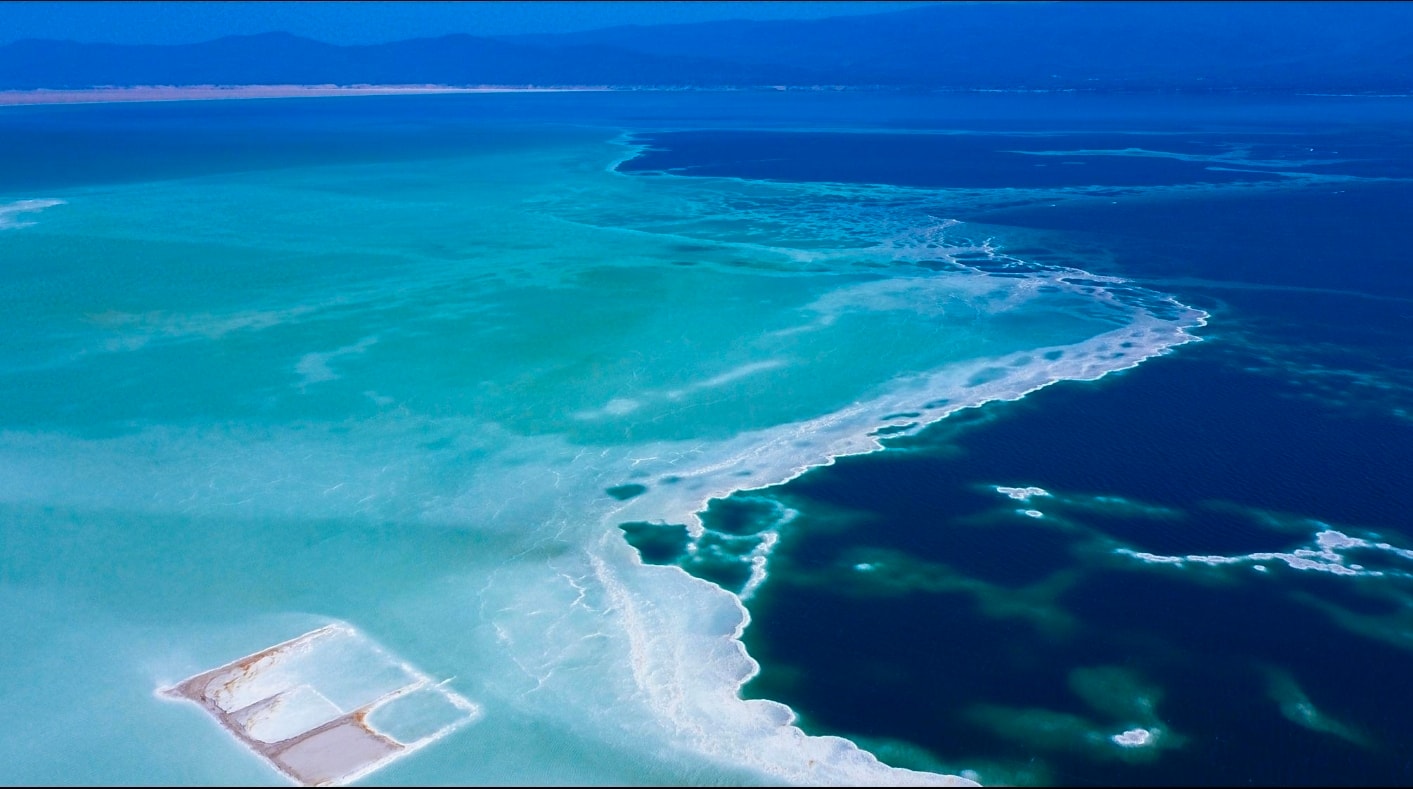
Lac Assal — Africa's Lowest Point, Source of Lac Assal Salt
Djibouti, East Africa
Lac Assal
Africa's Lowest Point
155 metres below sea level. One of the world's saltiest bodies of water. A volcanic lake unlike anything else on Earth — and the source of our salt.
−155m
Below Sea Level
The lowest point in Africa and one of the lowest on Earth.
~35%
Salinity
Nearly ten times saltier than the ocean — among the highest of any lake worldwide.
54 km²
Surface Area
A compact but extraordinarily concentrated hypersaline lake.
3
Tectonic Plates
Lac Assal sits at the convergence of the African, Arabian, and Somali plates.
Geology & Formation
Born at the Junction of
Three Tectonic Plates
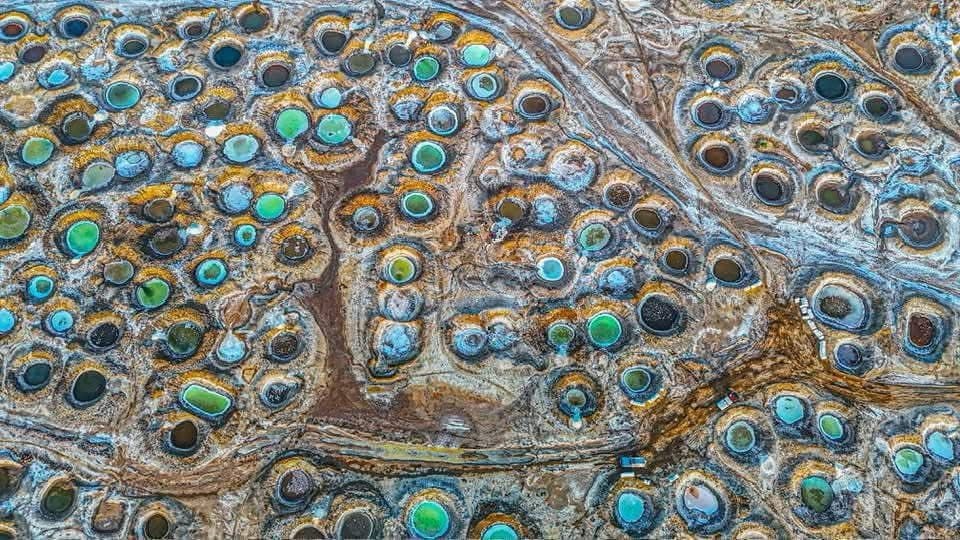
Lac Assal occupies the Afar Triangle — one of the most geologically active regions on the planet, where the African, Arabian, and Somali tectonic plates are slowly pulling apart. This rifting process has created a depression far below sea level, filled over millennia by seawater seeping through porous volcanic rock.
Geothermal vents beneath the lake floor continuously enrich its waters with minerals drawn from deep within the Earth's crust. Combined with the intense equatorial sun driving near-total evaporation, the result is a brine of extraordinary concentration — and a salt crystal shaped by forces that no factory can replicate.
Mineral Profile
A Mineral Complexity
Shaped Over Millennia
Unlike highly refined table salt — which is stripped of everything except sodium chloride — Lac Assal Salt retains the natural mineral complexity of its volcanic source. Elevated levels of magnesium, calcium, and potassium contribute to a flavour profile that is clean, bright, and distinctly layered.
Before commercial launch, every batch undergoes independent laboratory testing to verify mineral composition, sodium chloride purity, heavy metals screening, microbiological safety, and full food-grade compliance. The result is a salt you can trust — and taste.
Sodium Chloride
Primary mineral
Magnesium
Elevated levels
Calcium
Naturally present
Potassium
Trace mineral
Harvesting & Processing
Harvested by Hand,
Dried by the Sun
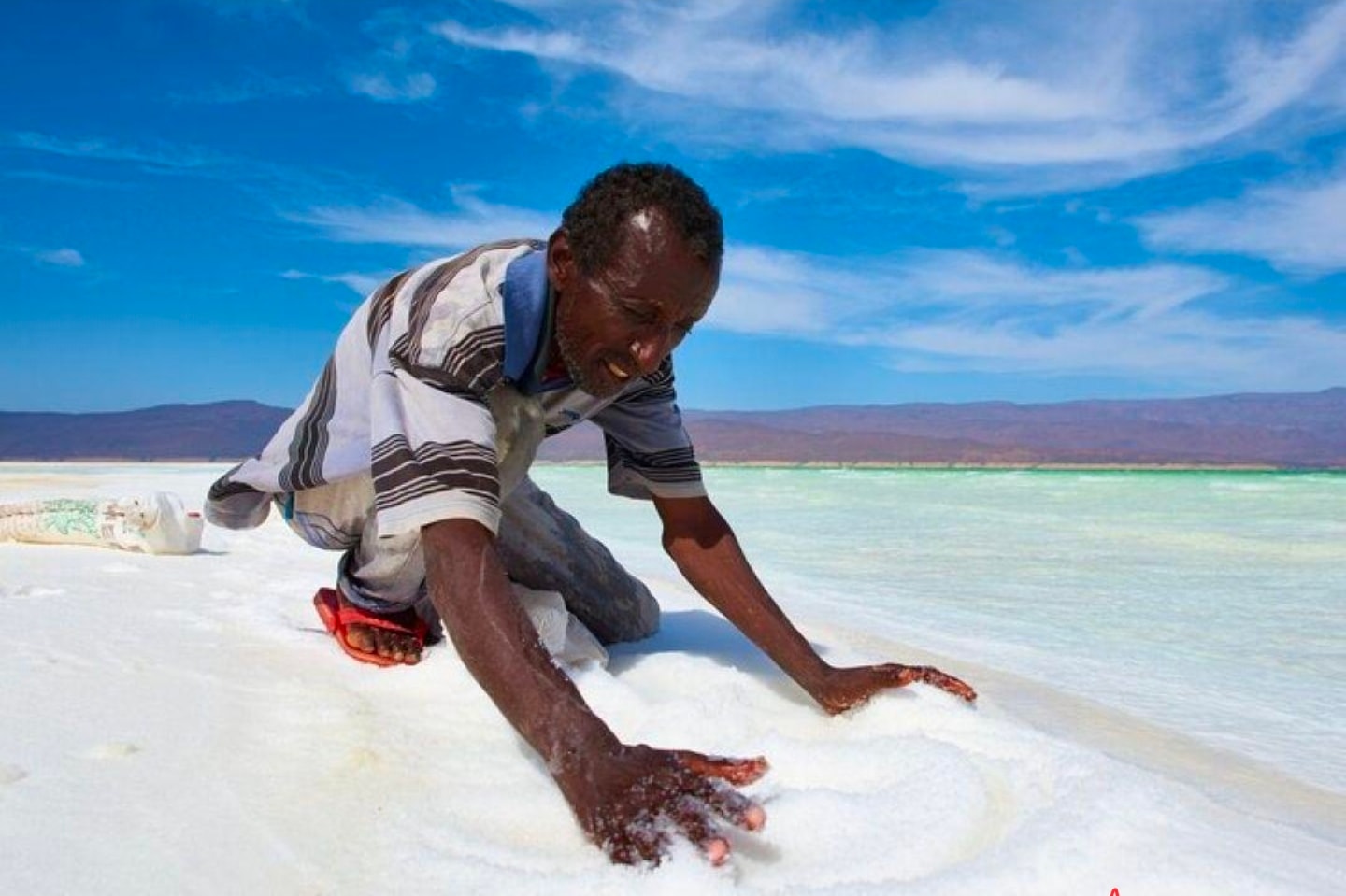
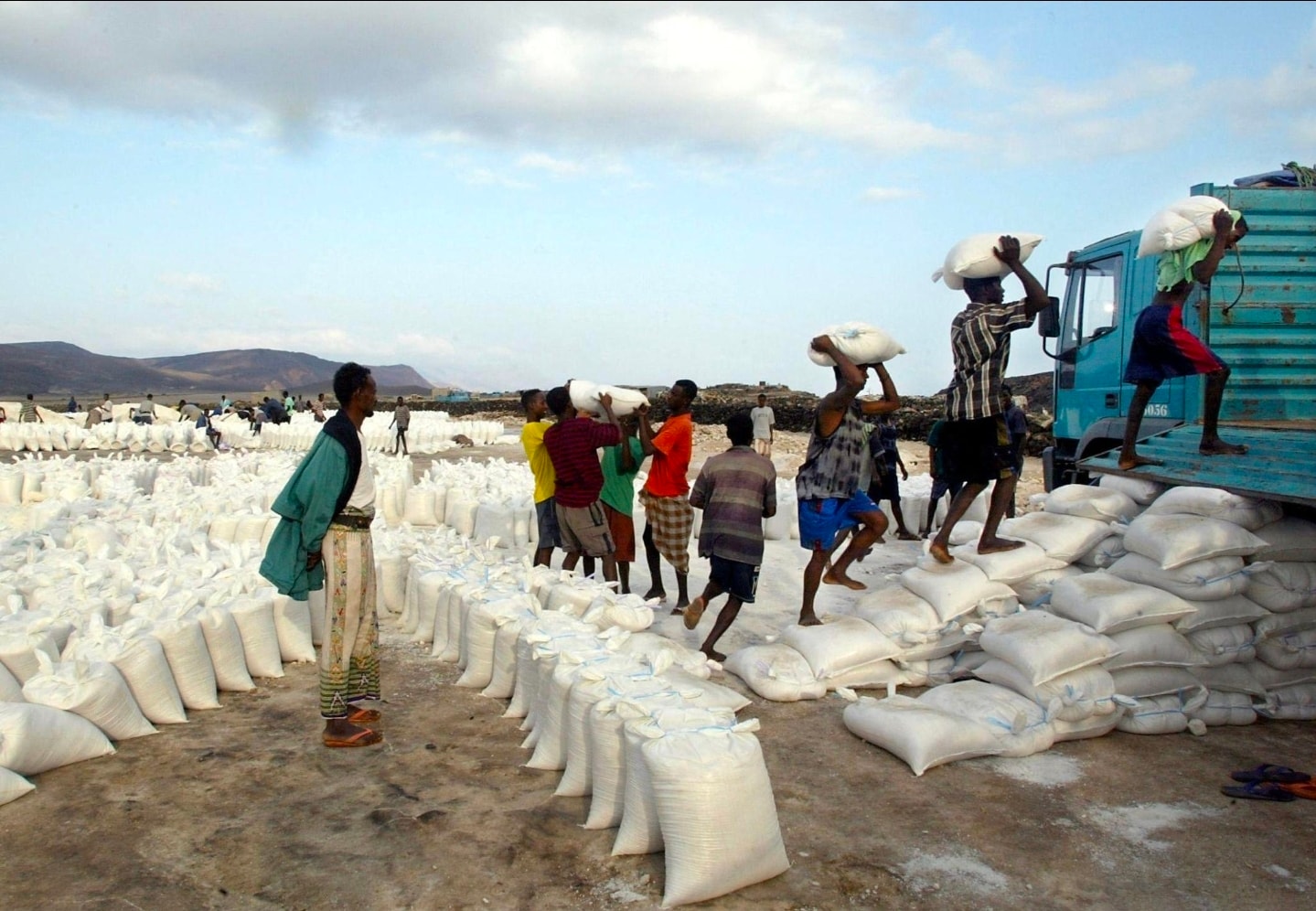
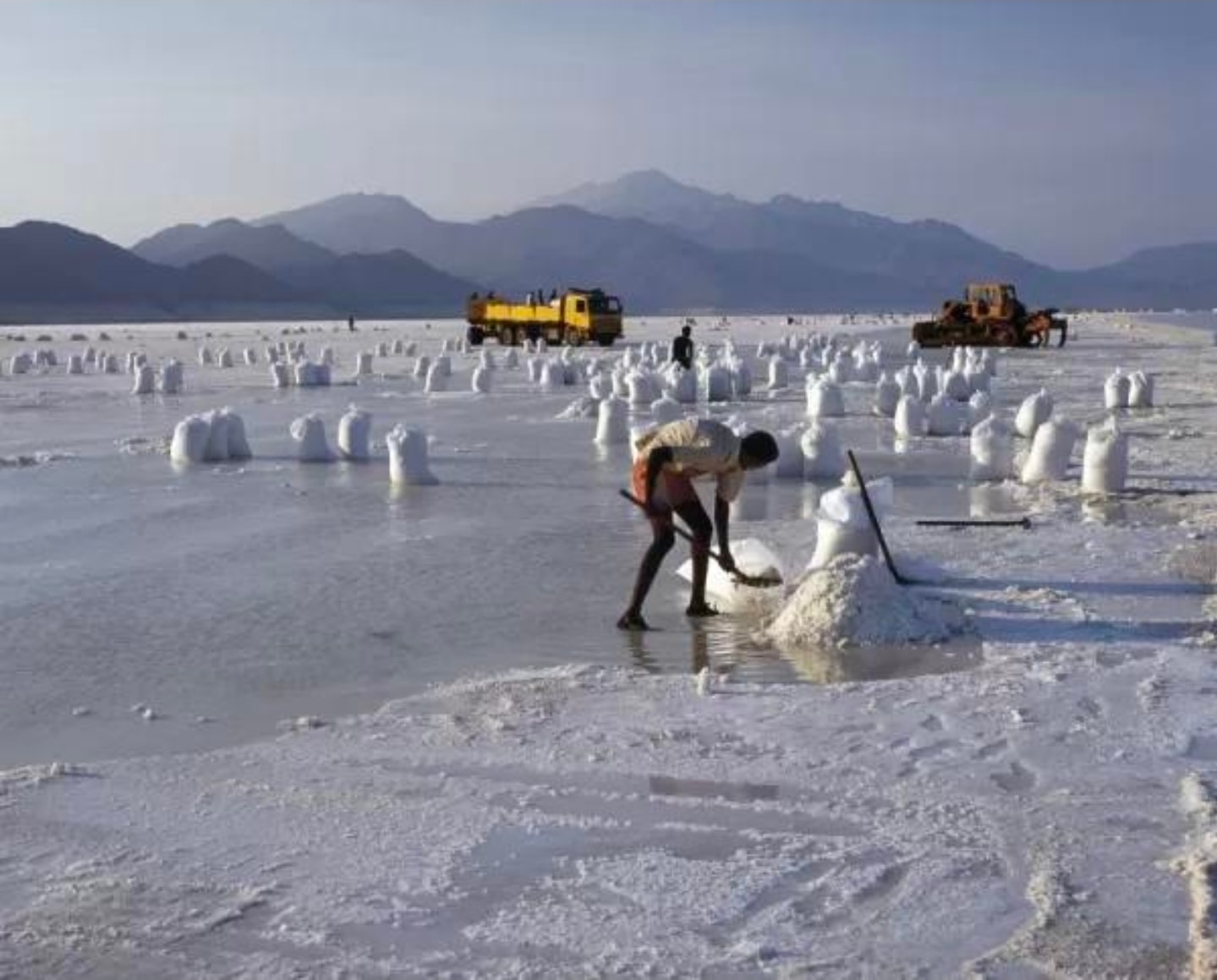
Salt harvesting at Lac Assal follows the rhythms of the lake — the best crystallization windows, the right conditions for each grade, the techniques that preserve the salt's natural character. Teams work the shores using methods refined over generations, gathering crystals at peak formation.
After harvesting, the salt is naturally dried under the equatorial sun, then graded and packaged. No artificial drying. No additives. No anti-caking agents. The minimal processing philosophy ensures that what reaches your kitchen is as close to the lake as possible.
Natural crystallization in the lake brine
Hand-harvested at peak formation
Sun-dried under equatorial heat
Graded, tested, and packaged
"One of the world's most saline lakes.
One of the world's most extraordinary salts."
Premium Positioning
Where Lac Assal Stands
Among the World's Finest Salts
The global specialty salt market has long been defined by Himalayan pink, Celtic grey, and Atlantic Fleur de Sel. Lac Assal Salt offers something genuinely new — an African origin with geological credentials that stand alongside the world's most celebrated salts.
Himalayan Pink Salt
Pakistan · ~500m above sea level
Ancient seabed deposit. Known for pink hue and trace minerals.
Lac Assal offers comparable mineral complexity from an active volcanic source — with a more dramatic origin story.
Celtic Grey Salt
Brittany, France · Atlantic coast
Hand-harvested from tidal clay ponds. Moist texture, earthy flavour.
Lac Assal matches the artisan harvesting tradition with a far more extreme and geologically unique environment.
Fleur de Sel
France / Portugal · Sea surface
Delicate hand-skimmed flakes. The benchmark finishing salt.
Our Fleur de Sel variant brings the same delicate crystal structure from one of the world's most concentrated natural brines.
Experience the Salt
the Lake Produces
Three expressions — fine mineral salt, coarse crystals, and fleur de sel — each capturing a different facet of this extraordinary lake.